KELA, OmaKanta and Keva
I use my Kela services less often these days. Living abroad, it is very easy and safe to log in to Kela’s website using a mobile key. Nowadays, I receive a monthly child benefit from Kela, but this is always paid automatically so there is nothing I have to do for it. I guess the only time I use the Kela website is when I pay my student health insurance. I have to pay it half-yearly on the Kela website. This seems a bit silly, as I can’t use it from abroad anyway. Luckily it is not that much. I already have a European Health Insurance Card and I think I will receive it automatically. Living abroad, I always carry it in my wallet but I have never had to use it.
When I lived in Finland, I used OmaKanta quite often. I went to check different test results or doctors’ opinions. It is also easy to access information on my children in OmaKanta. However, I find that the search and collection of health information is not very convenient in OmaKanta. For example, I had to retrieve all the vaccinations my children had received to report them to our local medical centre here in the Netherlands, but collecting this vaccination information was very time-consuming and laborious. For example, I could not find a single list of all the vaccinations they had received. There are some reforms going on, I hope it will make the use easier.
I have never logged in to the Keva website before. At first, I was shocked by the low estimated pension amounts, until I realised the estimate was based on the last 12 months I have lived here in the Netherlands without paid employment. My minimum retirement age is 67 years, my target retirement age is 69 years and 1 month and the highest age for pension accumulation is 70 years. I think it is crazy how old we have work. I would like to be able to enjoy my pension earlier.
Online shopping
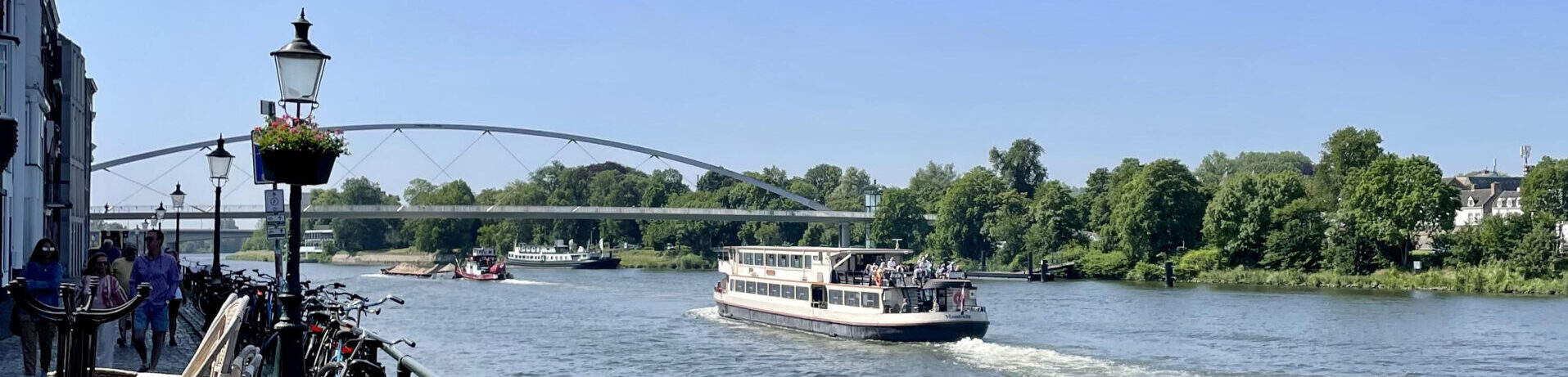
Here in the Netherlands, I do more online shopping than in Finland. Especially from Amazon we have ordered all sorts of products, like books and clothes for children or cosmetics and household supplies. Another popular online shop here is Bol, where you can also find almost anything. Competition in online sales is fierce, and many shops even offer free next-day delivery. I once ordered some cardboard boxes for pastries, which actually arrived at my door the next day, I just had to place my order before 23.59. The prices of products in online shops vary, some may be cheaper than local shops, others more expensive. I find online shopping fairly reliable, but I prefer to shop in local shops. Especially when I buy clothes for myself. When planning to travel, we use Booking, which makes it easy to browse accommodation options by region. Plus, prices are often cheaper there.
Terveyskylä
Terveyskylä is a public online service developed by Finnish university hospitals. My colleagues have also been contributing content to it. Terveyskylä has 32 virtual houses offering information and support to patients for free. Terveyskylä also includes referral-based digital health care pathways and self-care programmes. In addition, Terveyskylä has a dedicated section for healthcare professionals. I chose the Terveyskylä service because I have used it a few times, but not that many. The site seemed a bit confusing at first, with so many headings and sections, but after a while, it became easier to find information. I find the site pleasant to look at with its colours and texts.
Digitalization and digital gap
The biggest problem I see with the rise of digitalisation is the risk of people becoming isolated and addicted. While the increase in digital services improves the speed, ease and efficiency of services, it also takes people further apart, creating a digital gap between them. The digital gap also means inequalities between users when skills or economic circumstances are not sufficient. For example, elderly or disabled people may not be able to use services as well as others, and may be excluded from services unless they get help. The digital gap also increases social isolation from other people. As digital services increase, important thing like touch is reduced or eliminated. In addition, addictions of all kinds increase the digital gap between people. People become increasingly isolated from each other as they become more dependent on their devices and applications.
Digital Competence Test
This was an interesting, but also quite challenging test! I didn’t necessarily understand all the questions. The results in the different areas are very even:
Information: 62 %
Communication: 59 %
Pruduction: 60 %
Safety: 59 %
The highest scores were in the areas of self-service, social awareness, configuration and identity management. The lowest scores were in the areas of critical evaluation, active participation and automation. I do recognise these aspects of myself and my skills.
Self-evaluation
I found this area very interesting and thought-provoking. The digital skills test in particular provoked a lot of reflection on my skills and my attitude. Although overall I feel that I am quite comfortable with different digital platforms and services, there are a lot of things about digitalization that I trust perhaps a little too easily. I also need to keep in mind the need to upgrade skills so that they don’t rust. New software and devices are constantly being introduced at my work, so upskilling is an important part of nowaday’s working life.
The blogs I commented on:
Tiina Kokkonen – Something about studuying
Thank you for sharing such a comprehensive and honest reflection! It was especially interesting to hear your perspective as someone living abroad and how that affects your interaction with Finnish digital services like Kela and OmaKanta. Your comment about having to pay the student health insurance even though you can’t use it from abroad really highlights how these systems don’t always adapt smoothly to international situations.
I also appreciated your detailed feedback on OmaKanta. The difficulty in gathering vaccination records for your children sounds frustrating, and your example makes a strong case for the need for more user-friendly features, especially for families managing health information across borders.
Your reflections on digitalisation and the digital gap were very insightful. You brought up an important point about how the loss of human connection and increased dependency on technology can deepen inequality. I agree that digitalisation, while efficient, must be balanced with empathy and inclusivity.
The digital competence test results and your self-evaluation were also very relatable – especially your point about trusting digital systems a bit too easily and needing to actively maintain and update digital skills. That’s such an important reminder for all of us navigating this ever-changing digital world.
Link to my blog: https://blogi.savonia.fi/eveliinakomonen/
Hi Annina,
Thank you for your post! I haven’t heard about Terveyskylä before, so it was inspiring to get to know the service. From my point of view, services like Terveyskylä could motivate people who do not recognize or admit the benefits of digitalization.
Nice to read that you prefer local shops to online shops! Online shopping is way too easy nowadays and people order items they don’t even need. Online stores must be certainly one of the main reasons for people’s overconsumption.
Best regards,
Henry Petteri