
Social Insurance System in Sri Lanka
Social Insurance
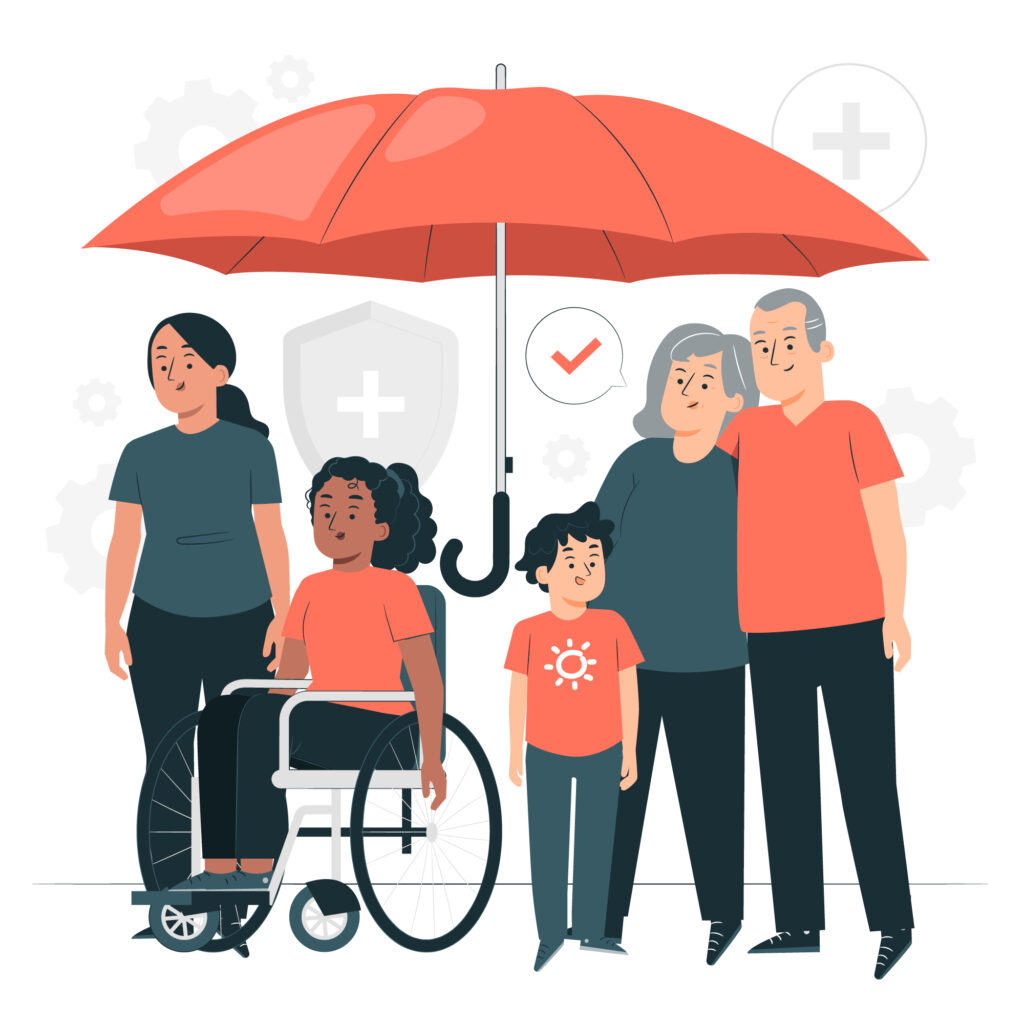
Sri Lanka’s social insurance system primarily includes pension schemes, social security, and welfare programs aimed at providing financial protection to employees, the elderly, and vulnerable groups. The main programs include:
- Employees’ Provident Fund (EPF)
- Employees’ Trust Fund (ETF)
- Samurdhi Program
The Employees’ Provident Fund (EPF) is currently the largest Social Security Scheme in Sri Lanka. The aim of the EPF is to assure financial stability of the employees of Private Sector Firms, State Sponsored Corporations, Statutory Boards and Private Business in their retirement.According to the EPF Act, an employee is required to contribute a minimum of 8 per cent and the employer a minimum of 12 per cent, of the total earning of the employee’s monthly salary. Thus, an employee’s EPF contribution is invested in secured investments.
The Employees’ Trust Fund is administered by the Employees’ Trust Fund Board and at present the ETF Board is functioning under the Ministry of Finance, Planning and Economic Development. This ETF is a fund that provides additional benefits, including compensation for injuries and death. All the employed individuals are entitled for ETF and Self-employed persons and migrant workers also could contribute to the Fund on their own and obtain membership. The Samurdhi (or Prosperity) Programme was launched in 1995. Its main goal was to reduce poverty in Sri Lanka through development based on public participation.
Digital Services
During my tenure as an employee at a private bank, my EPF balance was managed directly by the employer, which meant I had minimal interaction with the e-services offered by the EPF & ETF unit. Our organization provided its own online portal for checking EPF balances, and I received an annual printed statement for my ETF balance. Upon reviewing the e-services available under the EPF & ETF system for this assignment, I found that they offer an online portal for employers to file monthly contributions. Employees can use a dedicated web platform to access their current balance and transaction history. However, tasks such as registering a new employee, processing an employee’s resignation, and registering for e-services still require physical forms to be filled out and either mailed or submitted in person at the nearest labor office.
Development Trends
The newly established government is considering the Digitalization of government systems as an essential and high priority task. So, there are certain plans made & efforts are underway to develop an integrated databases EPF, ETF, and welfare programs, ensuring better data management and fraud prevention. Further, The Central Bank of Sri Lanka (CBSL) plans to modernise operations of the Employees’ Provident Fund (EPF) through digital enhancements and diversify the fund’s investment portfolio to generate higher risk-adjusted returns. CBSL said in its Annual Policy Statement for 2024 that the EPF will go “near-paperless” in 2024, with a number of technological enhancements also on the cards. A comprehensive ICT solution would also be implemented at EPF with the view of re-engineering and modernising the existing process.
A Samurdhi Development Department official has announced that the government plans to introduce a QR code system to identify eligible recipients and families for welfare packages distributed under various programs targeting those living below the poverty line. The official explained that details of applicants for social welfare programs would be digitized using a link provided to Welfare Benefit Information Officers, with a QR code assigned to each applicant. Once field officers collect the necessary data at the Grama Niladhari Division level through a mobile application, applicants will receive a document containing their unique QR code. This system, inspired by the successful implementation of QR codes for fuel distribution, aims to streamline social welfare programs such as Samurdhi, benefits for the elderly, support for disabled individuals, and kidney disease livelihood programs. The initiative is designed to ensure greater efficiency and transparency in a system that is currently plagued by corruption.
Digital Services in Social and Healthcare
Digital Services
eHealth Sri Lanka:
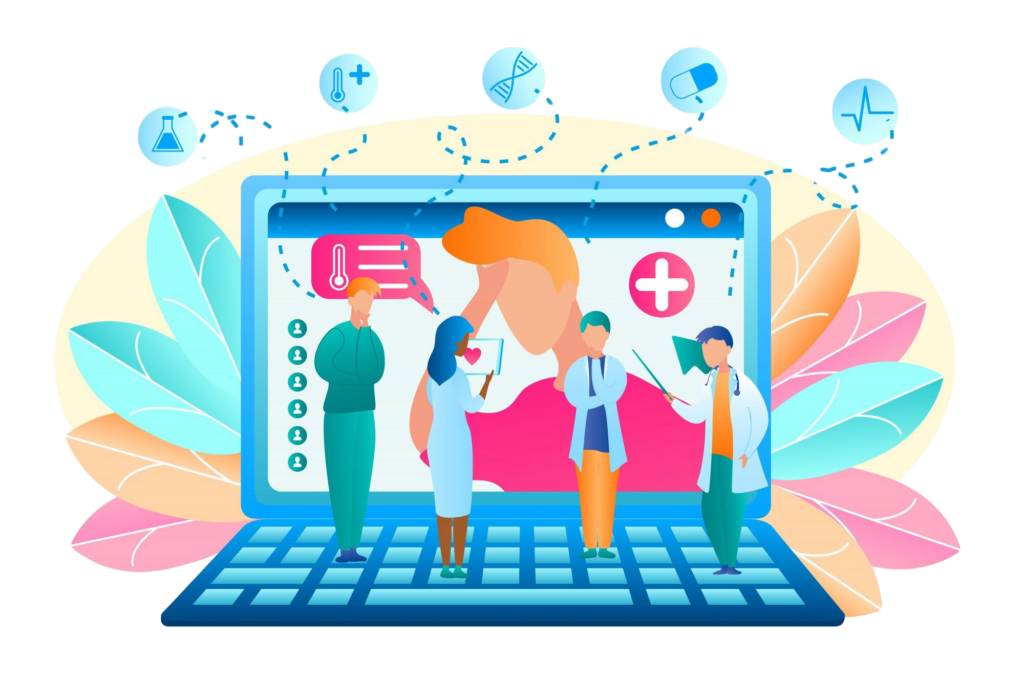
Sri Lanka is embarking on a new wave of development in the health sector through adaptation of information and communication technology (ICT). Healthcare is an information intensive field, relevant, accurate and timely information is the key for evidence-based management in healthcare. Even though many aspects of healthcare in Sri Lanka have changed, the information flow has largely remained manual and paper based in both the curative and preventive sectors. The paper based record system is inadequate to meet the needs of the rapidly evolving present day health care system especially for the preventive aspect of health. The need to adopt an efficient information management system has been stressed in the National Health Development.
Telemedicine Services:
Telehealth includes both curative and preventive aspects of healthcare delivery. Telemedicine, on the other hand, is the curative or the clinical part of Telehealth. Telemedicine applications rapidly grew globally as well as in Sri Lanka following the COVID19 Pandemic situation. The curative or clinical part of Telehealth is called “Telemedicine” and is described as ‘the process of exchanging medical information from one site to another via electronic communications to improve a patient’s clinical health status’. The types of information that can be transferred from site to site are medical documents, laboratory results, digital photographs, ECGs, radiological images, clinical-related video recordings, auscultatory sound from electronic stethoscopes and physiological examination parameters such as blood pressure, heart rate, haemoglobin saturation, and spirometry. The communication can be between the patient and healthcare provider or between two or more healthcare providers (team) about the treatment of a specific patient and both parties are separated by distance, time or both. The information transfer can happen in real-time synchronously or pre-recorded and forwarded later. Also, this information can be related to remote monitoring and the use of mobile health.
Vaccination and Pandemic Management:
The national COVID-19 surveillance system of Sri Lanka, based on the DHIS2 platform, was developed soon after the outbreak in Sri Lanka. The information system was critical for epidemiological monitoring and measures to control the outbreak and proved to be a key support to Sri Lankan health authorities’ battle against the disease. The system enabled health authorities from local to national level to monitor the rate of vaccination in all regions of the country, including remote areas, and to identify areas where more effort was needed to protect the population through vaccination.
The information system generated open-source real-time data which facilitated the government’s issuance of the digital Smart Vaccination Certificate (SVC). The certificate was required for travel abroad or other activities where presentation of the SVC was obligatory. Ease-of-access to the SVC was made possible by the COVID-19 immunization tracker, which was developed in 2021 by the WHO Country Office in Sri Lanka in partnership with the Health Information Systems Programme Sri Lanka, the core District Health Information Software (DHIS2) developers’ community from the University of Oslo, Norway, and the Information and Communication Technology Agency of Sri Lanka. Sri Lanka was one of the first countries in the world to deploy a DHIS2-based COVID-19 vaccination information management system
Pros and Cons of Digital Services in Social and Healthcare
Pros :
- Efficient Information Management:
- Transitioning from manual, paper-based systems to digital platforms improves information accuracy, accessibility, and timeliness.
- Enables evidence-based management in healthcare, aiding in better decision-making and resource allocation
- Streamlined Preventive Healthcare:
- Digital systems address the inefficiencies of manual records, particularly in preventive healthcare, where timely interventions are crucial.
- Alignment with National Goals:
- The emphasis on digital information management aligns with the priorities outlined in Sri Lanka’s National Health Development strategy, promoting long-term systemic improvements.
- Enhanced Accessibility:
- Telemedicine bridges geographical gaps, enabling patients in remote areas to access quality healthcare without the need for physical travel.
- Real-Time Communication:
- Facilitates real-time interactions between patients and healthcare providers or among medical teams, improving the speed and quality of clinical decisions.
- Comprehensive Data Sharing:
- Allows for the secure transfer of diverse medical data, including images, lab results, and physiological parameters, ensuring continuity of care.
- Adaptability in Crisis:
- Rapid adoption during the COVID-19 pandemic demonstrated its effectiveness in maintaining healthcare delivery during emergencies.
- Support for Remote Monitoring:
- Enables ongoing monitoring of patients’ health conditions, reducing the need for frequent in-person visits while ensuring timely interventions.
- Effective Epidemic Control:
- Real-time data from the DHIS2 platform provided critical epidemiological insights, helping authorities track vaccination rates and manage resources effectively.
- Digital Vaccination Certificates:
- The issuance of Smart Vaccination Certificates (SVC) facilitated international travel and compliance with local requirements, showcasing a practical application of digital health systems.
Cons :
- Implementation Challenges:
- Transitioning from paper-based to digital systems requires significant time, effort, and financial investment.
- Resistance to change from healthcare professionals accustomed to traditional methods can delay adoption.
- Dependence on Technology:
- Over-reliance on digital systems could disrupt healthcare delivery during technical failures, power outages, or cyberattacks.
- Infrastructural Limitations:
- Many healthcare facilities, especially in rural areas, may lack the necessary infrastructure, such as reliable internet and updated hardware, to implement eHealth effectively.
- Digital Divide:
- Limited access to devices or stable internet connections can exclude rural and low-income populations from benefiting fully.
- Elderly or less tech-savvy patients may find it difficult to use telemedicine platforms effectively.
- Data Privacy Risks:
- The transfer of sensitive medical information through electronic communications increases the risk of data breaches and unauthorized access.
- Dependence on External Collaborations:
- The reliance on international partnerships, such as the DHIS2 developers from Norway, can create dependencies that may hinder long-term sustainability if such support diminishes.
Comparing Amazon with Local Shops : Gigantti & Power

Amazon vs Local Stores
Pricing Comparison:
Amazon, as a global marketplace, often offers competitive prices thanks to its extensive network of sellers and economies of scale. However, when ordering from Finland, additional expenses such as shipping fees, import taxes, and currency exchange rates can significantly increase the final cost. Delivery times may also be longer compared to local retailers. On the other hand, Gigantti and Power, both part of large Nordic retail chains, frequently offer competitive pricing, particularly during sales events like Black Friday. Purchasing locally eliminates the extra costs associated with international shipping and import duties. Additionally, local retailers often provide convenient installment payment options and short- or long-term credit facilities.
Information Adequacy:
Amazon product listings usually feature detailed descriptions, specifications, and customer reviews, providing comprehensive information to support purchasing decisions. However, the wide variety of sellers can lead to variability in the quality and reliability of this information. In contrast, Gigantti and Power offer product information specifically tailored to the Finnish market, often presented in Finnish. While their websites may lack the extensive customer review sections found on Amazon, the information provided is generally accurate and relevant to local consumers. Additionally, these retailers have physical branches across Finland, allowing customers to visit the stores, interact with products directly, and obtain further information from staff.
Service Reliability:
Amazon is renowned for its efficient customer service and reliable delivery within its primary markets. However, for customers in Finland, reliability may be impacted by longer shipping times and the complexities of managing returns or warranty claims due to geographical distance. Additionally, certain products may not be eligible for shipping to specific locations. In contrast, Gigantti and Power, as established local retailers, offer services fully compliant with Finnish consumer protection laws, including simple return policies and robust warranty coverage. Their physical store locations also provide the advantage of in-person assistance. Moreover, they offer insurance options for certain high-value devices through a one-time payment. This ensures that if an insured item becomes defective for any reason, the customer can receive an immediate replacement within the insurance period.
One Service/Application I used
In my previous workplace, I extensively used VMware products, and I chose this application due to its versatility and critical role in managing virtual environments. VMware’s robust suite of tools significantly enhanced our ability to streamline operations, especially in scenarios requiring virtual instances or multi-operating system management. VMware allowed us to create and manage multiple virtual machines on a single physical server, optimizing resource utilization and reducing hardware costs. It enabled us to develop and test applications on different operating systems without the need for dedicated hardware, which was especially valuable for handling incompatible applications.
VMware’s secure connectivity solutions provided seamless remote access for employees, ensuring business continuity and secure data access during work-from-home scenarios. My experience with VMware was very positive as the interface was intuitive, and the tools were well-documented, the virtual machines ran smoothly with minimal lag, even when managing resource-intensive applications. The only drawback was the steep initial learning curve for advanced features, but once familiarized, the tools proved indispensable. Overall, VMware products became an integral part of our workflow, simplifying complex IT tasks and boosting overall productivity.
Digitalization and digital gap
The digital divide refers to the gap between individuals who have access to digital technologies and those who do not. This poses several risks and challenges for non-users of virtual services. Individuals who do not access virtual services may experience increased social isolation, as they are unable to communicate through digital platforms, especially during events like the COVID-19 pandemic. Lack of digital skills and access can hinder job seekers from finding employment opportunities, as many job postings and applications are now online. Limited access to digital services can increase economic disparities, as individuals may miss out on online financial services, e-commerce, and remote work opportunities. Non-users may struggle to access essential information and services, including healthcare resources, government services, and news updates, which are increasingly available online.
Self Reflection
Before this assignment, I was not particularly aware of the current trends in our local social insurance system or the digital transformation initiatives planned within the health sector (Sri lanka). This assignment gave me the opportunity to explore these areas in depth and broaden my understanding of how digitalization is reshaping these critical fields. I learned how eHealth systems, telemedicine, and vaccination management platforms are enhancing healthcare delivery in Sri Lanka, making services more accessible, efficient, and responsive. It was insightful to see how these tools address long-standing challenges like manual recordkeeping and delayed decision-making while creating avenues for better resource allocation and patient care. I actually obtained my vaccination certificate through an online request, which was one of the easiest and quickest responses I got from our health services as obtaining a service from a public sector isn’t that easy and it’s very time consuming.
In my experience, I’ve made purchases from platforms like Amazon, Temu, as well as local stores such as Gigantti and Power. Generally, online platforms offer more affordable prices and reasonable shipping costs for small gadgets and items, often making them cheaper than local stores. However, when it comes to high-value items, such as electronics, the pricing comparison shifts. Although the base price might be slightly lower online, adding shipping fees and taxes can make the total cost exceed the price available in local stores. For this reason, I typically prefer purchasing high-value items in physical stores, as they offer better services like warranty, return policies, and insurance, which online platforms may not match.
Digital Competence
Digi Competence
BLOG COMMENTS
DIGI Citizen
Digi Citizen
DIGI CITIZEN
Reference
- Digital divide – Types and consequences of the technological gap | Repsol. (2023, September 11). REPSOL. https://www.repsol.com/en/energy-and-the-future/people/digital-divide/index.cshtml?
- Employees Provident Fund. (n.d.). EPF Sri Lanka. https://epf.lk/
- EMPLOYEES’ TRUST FUND BOARD. (n.d.). ETF. https://etfb.lk/
- EPF Information Services for Internet / Mobile Phone Users. (n.d.). Retrieved January 10, 2025, from https://epf.lk/wp-content/uploads/2024/06/EPF-Information-Services-for-Internet-Mobile-Phone-Users.pdf
- Himal Kotelawala. (2024, January 10). Sri Lanka’s EPF to go paperless, diversify portfolio for higher risk-adjusted returns. EconomyNext. https://economynext.com/sri-lankas-epf-to-go-paperless-diversify-portfolio-for-higher-risk-adjusted-returns-146844/
- Landry Signé. (2023, July 5). Fixing the global digital divide and digital access gap. Brookings. https://www.brookings.edu/articles/fixing-the-global-digital-divide-and-digital-access-gap/?
- National eHealth Guidelines and Standards [ NeGS ]. (2016). https://www.health.gov.lk/wp-content/uploads/2022/09/x9_E-Health-Guidelines-1.pdf
- QR code system to be extended for Samurdhi and social welfare programmes. (2022). Print Edition – the Sunday Times, Sri Lanka. https://www.sundaytimes.lk/221002/news/qr-code-system-to-be-extended-for-samurdhi-and-social-welfare-programmes-497666.html
- Registering for EPF – Employees Provident Fund. (2023). Epf.lk. https://epf.lk/?p=163
-
Sri Lanka tracks COVID-19 vaccine jabs and vaccination certificate. (2020). Who.int. https://www.who.int/about/accountability/results/who-results-report-2020-mtr/country-story/2021/sri-lanka
Hi! I really well written and thoughtful blog, I enjoyed reading your experiences and in general how things are in Sri Lanka.
I began my assignments just recently (https://blogi.savonia.fi/katisotedigiaihmettelemassa/digi-citizen/)