


In My Field of Expertise
Digitalization is about integrating the digital technologies into various aspects of a business, leading to fundamental changes in how business operates and delivers value to its customers. It enables the organization to innovate, enhance customer experiences and optimize manual operations. The digitalization process helps the companies to lower the operation cost, develop a new set of channels to improve customer experience and boost innovations and creativity. I was working as a Bank employee for more than 10 years in a private financial institution in Sri Lanka and I will reflect my experience related to this field.
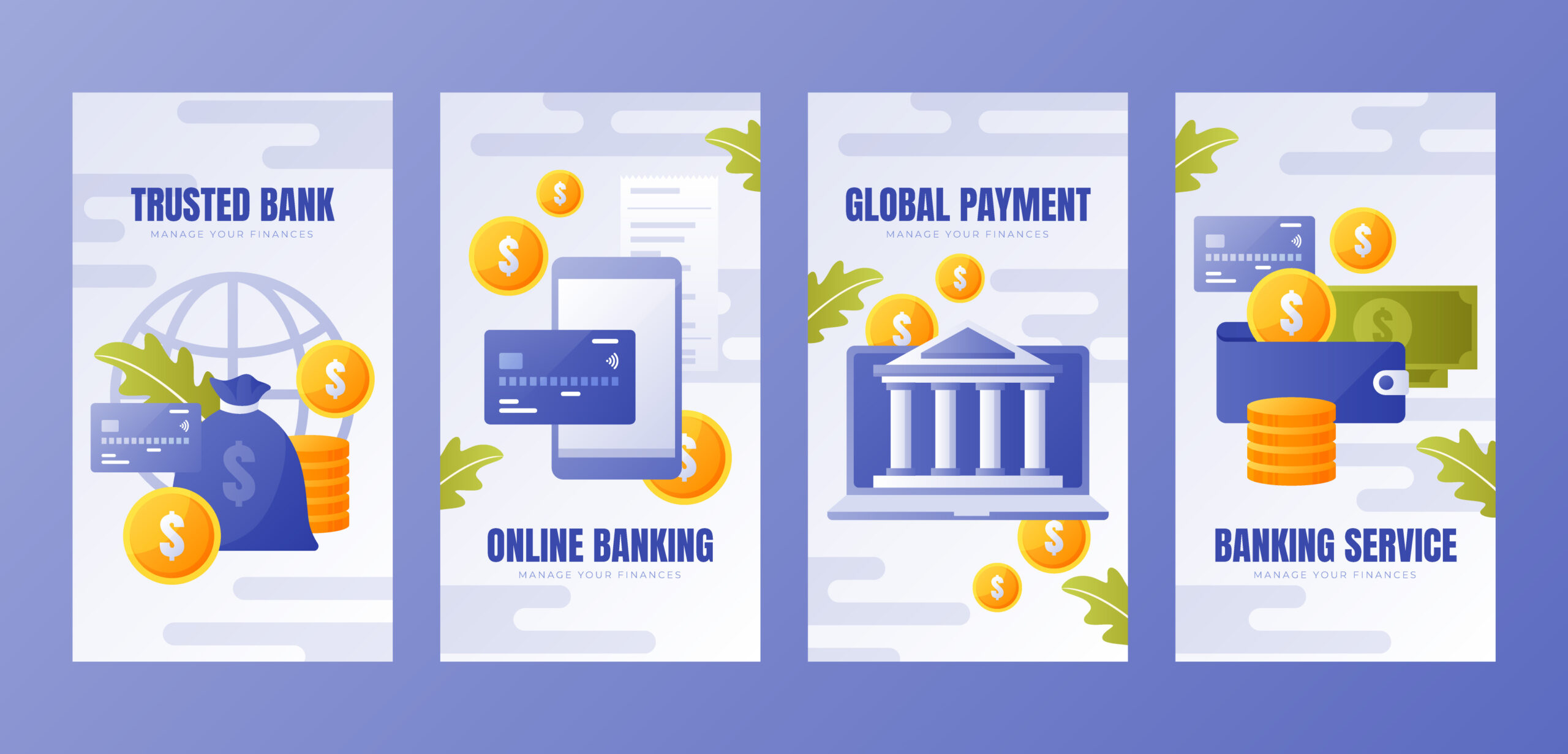
Banking – freepik.com
The banking sector is, in my view, one of the industries that has embraced digitalization more rapidly than others due to its critical role in the economy. Historically, transactions were recorded manually using vouchers and ledgers, requiring significant manual effort. With the advent of digitalization, however, the entire process has been transformed. Transactions are now electronically recorded, and banks offer a variety of convenient ways for customers to transact. These include debit and credit cards, in-app payments, QR payments, online banking, mobile banking, SMS banking, cardless payment methods, and more.
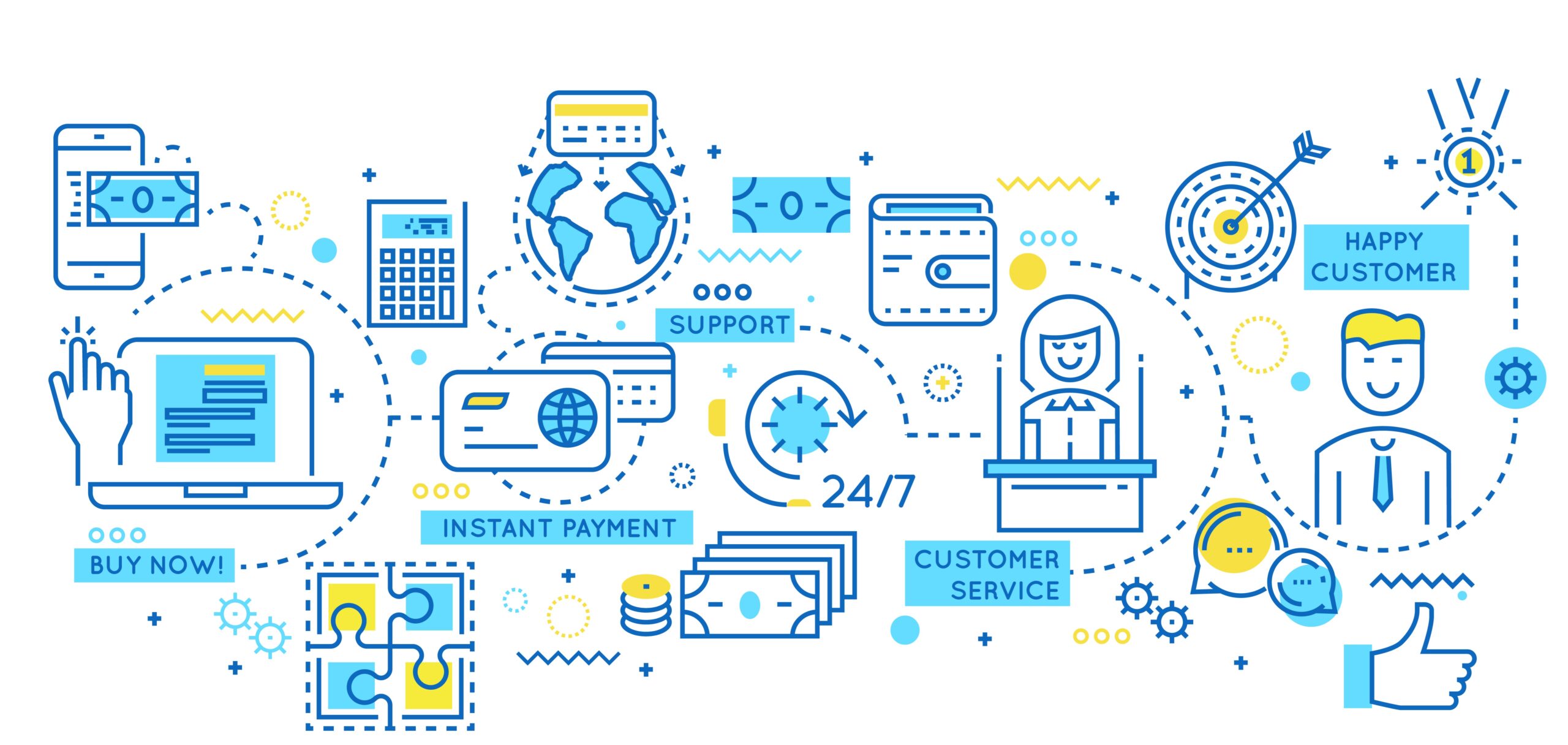
Digital banking – freepik.com
In addition, digitalization has significantly enhanced the security of banking transactions. Features such as EMV chip cards, which use tokenization to conceal real card details during transactions, two-factor authentication for internet banking, real-time fraud monitoring systems, SMS alerts for all transactions, and encryption of payment acceptance devices provide robust protection against fraudulent activities. Customers also benefit from improved service delivery. Instead of waiting in long call queues to reach call-center operators, they can now interact with AI-powered chatbots or connect with human operators through multiple channels.
This shift has dramatically improved the efficiency of banking operations and paved the way for innovations within the industry. Despite these advancements, however, some customers continue to visit branches and departments in person for their banking needs. This trend can be attributed to a lack of awareness about digital services, unfamiliarity with accessing these services, and the traditional belief that tasks can only be completed by visiting a branch and interacting with familiar staff members. Nevertheless, a growing number of customers have actively embraced digital banking services, demonstrating their potential to revolutionize how banking is conducted. Overall, the banking industry is deeply reliant on digital technology and continues to evolve with advancements in information technology.
Future Ideas

Future Ideas
Although digitalization in banking has introduced numerous electronic payment methods, cash payments still dominate transactions, particularly among small entrepreneurs, passenger transportation, and most small and medium-sized businesses, except for those in the tourism industry. This reliance on cash persists primarily due to the transaction fees associated with electronic payment methods. To address this, banks have started offering QR and mobile payment solutions to these businesses with reduced charges. However, these measures alone are insufficient to transform traditional payment habits.
To increase the adoption of electronic payments, I propose the following:
- Incentives and Fee Reductions: Introduce attractive incentives and significantly lower initial setup costs for businesses adopting digital payment methods.
- Awareness Campaigns: Conduct awareness programs to educate end users about the benefits of using electronic payments, emphasizing convenience, security, and efficiency.
- Customized Solutions for Small Businesses: Develop tailored solutions for specific sectors to make electronic payment systems more appealing and accessible.
Additionally, I propose the introduction of electronic payment systems specifically for the local transportation sector, which currently operates entirely on cash. The banking industry should take the initiative to develop feasible methods for this sector, such as:
- Enabling card payments or other electronic payment methods.
- Issuing dedicated electronic transit cards.
- Promoting mobile payment solutions tailored for transportation.
Lastly, I recommend implementing a Single Sign-On (SSO) system inspired by Finland’s highly successful model. This system would serve as a unified digital identity platform, providing users with seamless and secure access to a wide range of services. These services could include government portals, healthcare systems, utility payments, tax filings, and banking platforms. By integrating multiple services into a single interface, the SSO system would significantly enhance user convenience and efficiency.
By implementing an SSO system, Sri Lanka can significantly enhance its digital ecosystem, enabling users to interact with essential services more efficiently and securely. This innovation has the potential to drive digital transformation across the nation, fostering economic growth and improving the quality of life for citizens.
The Risk of Open Digital Society

Digital Society – freepik.com
An open digital society promotes accessibility, connectivity, and innovation by allowing seamless interaction among individuals, organizations, and governments. While this interconnectivity enables seamless interaction amongst the above entities, it also involves risks that need to be managed in a proper way to minimize the impacts of the same.
One of the primary risks in an open digital society revolves around data privacy concerns. With large volumes of personal and sensitive information being stored and transmitted online, the potential for unauthorized access, misuse, or data theft is high. Closely tied to this is the escalating threat of cyberattack, including data breaches, ransomware, and phishing, which pose significant risks to critical infrastructures such as healthcare, education, energy, and other utilities. In addition, misinformation and manipulation present major challenges. Digital platforms, including social media, are often exploited to disseminate false information, manipulate public opinion, or interfere with democratic processes like elections. Several high-profile incidents in the past have demonstrated how these platforms can be used to influence individual beliefs and societal outcomes.
Dependence on digital systems is another vulnerability in an open digital society. Relying exclusively on technology leaves individuals and organizations exposed to severe disruptions in the event of technical failures, outages, or cyberattacks. Moreover, the increasing reliance on third-party services to manage data and provide digital solutions introduces additional security risks. If these third-party providers fail to meet stringent security standards, the consequences can be far-reaching. For instance, cloud computing has become an integral part of the modern digital landscape, with numerous organizations storing their data on cloud servers to enhance accessibility and efficiency. However, the expansion of data centers worldwide and the reliance on external providers for data storage and management increase the risks associated with security breaches and data loss.
The impacts of GDPR

GDPR – freepik.com
The implementation of the General Data Protection Regulation (GDPR) has significantly enhanced confidence in sharing personal data online. Individuals are assured of strict data protection measures, as organizations are now required to be transparent about the data they collect, how it is used, and how it is stored. Furthermore, GDPR empowers individuals by granting them rights such as access to their data and the ability to request corrections, providing them with greater control over their personal information. This policy has set a global benchmark for data security practices, encouraging higher standards of privacy protection worldwide.
Despite these notable benefits, GDPR also comes with certain challenges. Organizations face substantial costs in upgrading their systems and processes to ensure compliance with the regulation. Additionally, the strict guidelines around data access and usage make it harder to work with large datasets, potentially slowing innovation in fields like artificial intelligence and data analytics. Non-compliance with GDPR regulations can result in severe financial penalties and damage to an organization’s reputation, creating significant risks for businesses.
ChatGPT Response

chatGPT – freepik.com
To my understanding, earlier versions of ChatGPT tended to respond to questions and queries in a more generic manner. However, the latest version has significantly improved, providing responses that are more realistic and detailed. The way we frame our prompts or questions plays a crucial role in determining the quality and specificity of the output. For instance, when I asked how we could implement transit cards in Sri Lanka, ChatGPT provided a comprehensive and structured set of steps required to achieve this. Furthermore, when I inquired about the current transportation system in Sri Lanka, it offered accurate and relevant information backed by references to articles and credible sources.
While these improvements are notable, there are still some limitations. The responses, although much improved, often retain a generic tone and cannot always be directly used for specific project work without further refinement. However, ChatGPT excels at providing a solid foundation, generating ideas, and offering background information on various topics. In general, artificial intelligence like chatGPT holds immense potential. It serves as a valuable tool for research, brainstorming, and enhancing productivity. Its ability to access and synthesize vast amounts of information makes it a powerful resource. Despite its limitations, particularly in producing fully tailored or customized responses, it can significantly aid in preliminary research and ideation processes.
Self Reflection
This exercise has been an insightful journey, allowing me to explore and articulate various aspects of digitalization, its impact on industries, and the evolving role of technology in society. Reflecting on the advancements in banking, the challenges of implementing transit systems, and the risks of an open digital society, I have deepened my understanding of how digital transformation reshapes operational efficiency, customer experiences, and security frameworks.
Through these discussions, I realized the importance of balancing innovation with practicality, ensuring that technological progress remains inclusive, secure, and adaptable. Additionally, crafting responses on GDPR’s implications, cybersecurity measures, and futuristic concepts highlighted the relationship between regulation, ethics, and technological adoption. Moving forward, I recognize the need to further refine my understanding of emerging trends, such as AI-driven personalization, sustainable digital practices, and innovative payment systems, to align better with the demands of a rapidly digitizing world.
BLOG COMMENTS
I commented on Outi`s and Bittimia’s blogs
References
- Annon. (2023, May 15). Growing up in a digital world: opportunities and risks. Digital Society. https://medium.com/digital-society/growing-up-in-a-digital-world-opportunities-and-risks-8b00a21d181c
- ContentKeeper Content Filtering. (2025). Medium.com. https://medium.com/digital-society/a-digital-society-are-we-really-more-connected-c7c06de2c4fa
- Jones, A. (2021, May 14). GDPR Three Years Later: What Impact Has It Made? Https://Www.ispartnersllc.com/. https://www.ispartnersllc.com/blog/gdpr-one-year-later-impact/
- OpenAI. (2025). ChatGPT. ChatGPT; OpenAI. https://chatgpt.com/
- Understanding Privacy in the Digital Age – IEEE Digital Privacy. (n.d.). Digitalprivacy.ieee.org. https://digitalprivacy.ieee.org/publications/topics/understanding-privacy-in-the-digital-age
Hi,
I think you covered the topic broadly and in detail. I think you highlighted the digitalization of the banking sector, along with its challenges and opportunities, very well.
I also really appreciated the visual aspect of your blog post, particularly the use of images. They helped structure the text nicely. In my opinion, you presented the benefits and challenges of digitalization effectively and illustrated them well through examples. Your ideas were also good and interesting. I also liked that you included the sources you used at the end.
Thank you for your inspiring and professional text!
Br,
Petra