DIGI CITIZEN

Digitalization has become an integral part of everyday life, shaping how individuals interact with public services, organizations, and each other. Digital citizenship refers to the ability to participate in digital society in a responsible, informed, and secure manner. It includes not only technical skills but also awareness of data protection, ethical behavior, and the impact of digital services on daily life.
This blog reflects on digital citizenship through practical experiences with digital public services, consumer platforms, and professional applications. By exploring these services and reflecting on their usability, accessibility, and limitations, the aim is to better understand how digitalization affects both individuals and working life in a modern society.
Digital Public Services in Finland
Finland provides a wide range of digital public services that enable citizens to manage social security, healthcare, and long-term planning online. These services aim to increase accessibility, transparency, and efficiency, while allowing individuals to access important personal information independently.
One of the key public institutions is KELA (The Social Insurance Institution of Finland), which offers digital services related to social security benefits. During my student years, I used KELA services more actively, particularly for student financial support. In my current life situation, interaction with KELA is limited and mainly related to occasional reimbursements of healthcare expenses. Nevertheless, the availability of KELA’s digital services reflects the role of public institutions in supporting citizens at different stages of life.
Access to personal healthcare data is provided through OmaKanta, a national digital service that centralizes health-related information. While my active use of the service has been limited, I noticed that OmaKanta contains a comprehensive overview of my health data, including diagnoses, prescriptions, examinations, and vaccination records. This is due to the fact that private healthcare providers, such as Mehiläinen, share patient data with OmaKanta with the user’s consent. Although accessing health information through a private healthcare application is more convenient in everyday use, OmaKanta functions as a reliable centralized repository of health data, ensuring continuity and transparency across healthcare providers.
I also attempted to access digital pension services in order to review my future retirement information. However, no personal pension data was available through KEVA, which reflects the fact that pension services are tied to specific employment sectors. I then logged into Ilmarinen, where my pension data is located, and discovered that my “optimal” retirement age is around 68 years, a number I haven’t paid too much attention to up until now. This experience highlighted that digital public services are structured around defined user groups and that accessing long-term information may require navigating multiple systems. Understanding where personal data is stored and how different digital services apply to one’s situation is an essential part of digital citizenship.
Overall, these digital public services demonstrate how Finnish society enables citizens to manage important aspects of life through digital channels, while also requiring individuals to be aware of the scope and limitations of each service.
Digital Consumer Services and Reliability
Digital consumer services have become a natural part of everyday life, offering convenience, price transparency, and access to a wide range of products and services. When comparing digital marketplaces to local shops, online platforms often offer more competitive prices and a wider selection. In addition to pricing, digital services typically provide extensive information for consumers, including product descriptions, customer reviews, delivery options, and return policies.
I personally do most of my shopping online, primarily due to convenience and fast access to the products I need. A frequent example is the Zalando application, which has evolved into an interactive shopping experience. Products can be saved to favorites, allowing price monitoring and purchases when discounts become available. This functionality supports informed consumer behavior and reflects how digital platforms actively guide purchasing decisions. I find these customer experiences more valuable than the lowest price point.
Logistics and delivery services are also an important part of the digital consumer experience. I prefer collecting parcels from parcel lockers (Posti’s locker being the closest one), which offers flexibility and efficiency. The Posti application supports this well by providing real-time tracking and the ability to redirect parcels to the most convenient pick-up location if needed. Together, these services create a seamless end-to-end digital shopping experience that extends beyond the purchase itself.
From a reliability perspective, well-established digital platforms are generally trustworthy, as they invest heavily in secure payment systems, customer support, and transparent review mechanisms. However, reliability also requires active participation from the consumer. Critical evaluation of reviews, seller credibility, and terms of service is essential, as digital environments can also include misleading information or unequal visibility of products.
Digital Services from My Field
Digital services play a central role in modern knowledge work, particularly in data-driven and analytical fields. From my professional perspective, business intelligence tools are a key example of how digitalization supports decision-making and organizational effectiveness. One such service is Power BI, which is widely used for data analysis, visualization, and reporting.
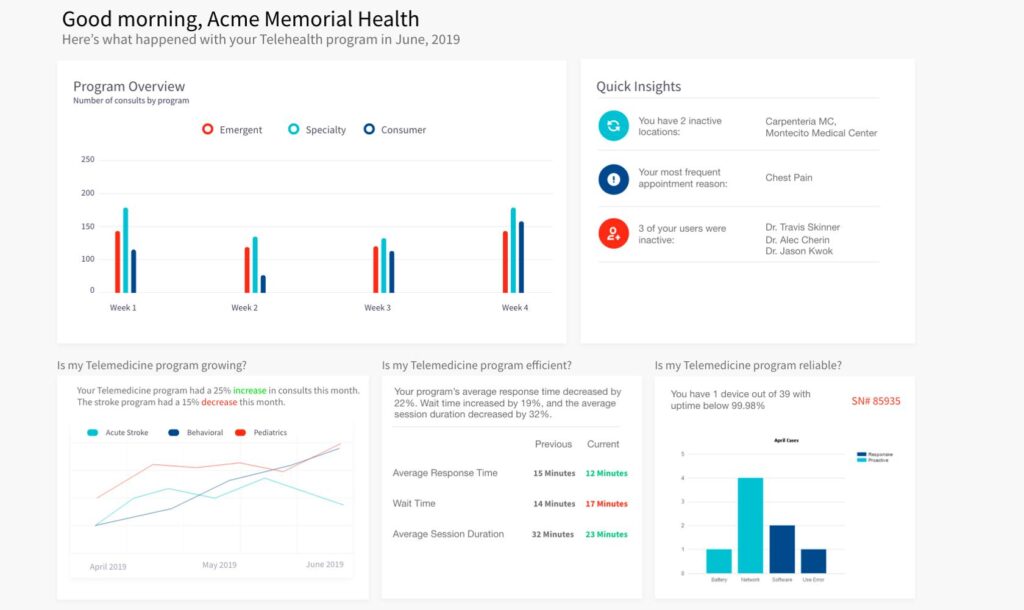
I chose Power BI because it enables organizations to transform large amounts of data into clear, visual insights that support both operational and strategic decisions. The service allows data from multiple sources to be combined into interactive dashboards, making complex information more accessible to different user groups. From a user perspective, Power BI provides flexibility, scalability, and strong integration with other digital tools.
My experience with Power BI has been largely positive. The platform is intuitive for end users, while also offering advanced capabilities for deeper analysis. It supports self-service analytics, which reduces dependency on manual reporting and enables faster decision-making. At the same time, effective use of the tool requires sufficient data literacy and understanding of the underlying data models.
Digitalization and the Digital Divide
Digitalization has significantly improved access to services, information, and participation in society. However, not all individuals benefit equally from these developments. The digital divide refers to the gap between people who are able to use digital services effectively and those who are unable or unwilling to do so.
For individuals who do not use digital services, the risks and challenges are substantial. Many essential services, such as healthcare, banking, and public administration, are increasingly designed with a digital-first approach. Limited digital skills, lack of access to suitable devices, or low confidence in technology can lead to exclusion from these services. This may result in reduced independence, increased reliance on others, and difficulties in managing everyday tasks.
This challenge became particularly concrete during a personal encounter. While traveling by bus, I spoke with an elderly woman who had received a scam phone call and was worried that her bank account had been compromised. Due to poor eyesight, she found it difficult to recognize phone numbers or review information on a mobile screen, which increased her uncertainty and stress. Although she had not shared any personal details, the situation caused significant emotional distress and required in-person assistance at the bank. This highlighted how digital risks and security concerns can affect individuals who are unable to fully utilize digital services, emphasizing the importance of accessible systems and human support alongside digital solutions.
In addition to practical barriers, there are also social and ethical concerns related to the digital divide. As digital interaction becomes the norm, those outside digital environments may experience isolation or feel disconnected from society. At the same time, rapid digitalization places responsibility on organizations and public institutions to ensure that services remain accessible and inclusive.
From a digital citizenship perspective, addressing the digital divide requires both individual competence and societal support. While citizens are encouraged to develop digital skills, digital systems should also be designed in a way that considers different user needs and capabilities. Ensuring inclusive access to digital services is essential for a fair and functioning digital society.
Digital Competence Test
Completing the digital competence test provided a structured overview of my current digital skill set. The results indicated strong competencies particularly in information handling, digital production, and self-service usage of digital systems. These areas reflect frequent interaction with digital tools in both professional and everyday contexts.
The assessment also highlighted solid awareness related to safety, data protection, and critical evaluation, which are essential aspects of responsible digital citizenship. While communication-related competencies were slightly lower in comparison, the overall results confirmed a balanced and practical level of digital competence. The test supported the reflection that digital citizenship is not only about technical ability, but also about understanding how digital tools, data, and systems are used responsibly and effectively in different situations.
Short Reflection
Completing this assignment provided a practical and reflective view of what digital citizenship means in everyday life and working environments. Rather than focusing only on abstract concepts, the tasks highlighted how digital services are embedded in public systems, consumer behavior, and professional contexts.
Exploring digital public services such as KELA, OmaKanta, and pension-related platforms increased my awareness of how personal data and long-term information are managed across different digital systems. Even when these services are not used frequently, understanding their purpose, scope, and limitations is an important part of responsible participation in a digital society.
Overall, this assignment strengthened my understanding of digital citizenship as a combination of skills, awareness, and responsibility. Digitalization offers significant benefits, but it also requires citizens to remain attentive, reflective, and adaptive in order to participate effectively and ethically in modern society.
I commented on the following blogs: Johanna, Hanane and Chuong
Thank you for your post!
I liked how you described the whole shopping journey, especially how Zalando, parcel lockers and the Posti app together create a smooth end-to-end experience.
The short story about the elderly woman and the scam call also brought a lot of human reality into the topic. In my own work in oral health care and senior services, I see similar situations where fear of making a mistake or being scammed becomes a real barrier to using digital services. Even when nothing “bad” happens, the stress is real, and people may still need human help afterwards to feel safe again. I feel that digital services also need to be easy and feel safe to use.
Reading your reflections also made me think about video and remote appointments. They can make services easier to access and save time, but only if the technology feels safe and simple for the user. For many older adults, the biggest hurdle is not the appointment itself, but getting the link to work, managing audio and camera settings, and trusting that they are in the right place with the right professional. That’s why small things like clear instructions, a back-up option, and patient guidance can make a huge difference in whether remote services actually improve access.
Hi, Thank you for your interesting reflection!
You highlight well how digital services shape everyday life, from public systems to consumer platforms and work tools. I appreciated the balanced view on both the benefits of digitalization and the challenges it creates, especially for those who struggle with technology. Your post nicely reminds us that responsible digital citizenship requires not only skills, but also awareness and support for different types of users.
BR, Liina
Hello!
Thank you for your interesting writing. Your text provided a versatile and practical view of digital citizenship as part of everyday life and working life. The use of concrete examples from Kela, OmaKanta, and Power BI is particularly strong. The examples you provided clearly illustrate how digital services are connected to different areas of life. Your text also highlights an important perspective on the digital divide and the related human challenges, which deepens your discussion beyond a purely technical perspective.
Your reflection demonstrates an understanding that digital citizenship is not only about mastering skills, but also about a responsible approach to data security, accessibility, and ethical issues. Overall, your text is coherent and analytical, and it successfully connects personal experiences to a broader societal context.
Best regards, Tiina